Your Shopping Bag is Empty


How Products are Considered
As modern consumers, we increasingly want to know more about the products we buy - where they come from, what they're made of, and how they're made. Across fashion, beauty, food and the home, that information isn't always easy to come by.
The Considered Edit brings this together: a curated collection of products, each vetted through our verification process and chosen for credentials worth knowing about.
Our Criteria
The Considered Edit includes a selection of products made with materials certified to recognised third-party standards, certified cruelty-free beauty, products made in Ireland, pre-loved, or part of a refillable range. We work closely with our brand partners to vet every product before it earns its place - meeting just one of these credentials is what qualifies a product for the Edit.

Certified Materials
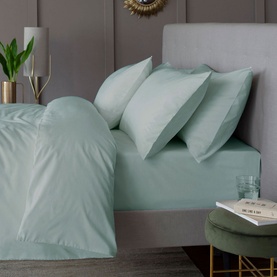
Products in this category are made with a main material that is at least 50% certified to a recognised third-party standard.
We ask our brand partners to hold the relevant third-party certifications that evidence the claims made about their products, and we spot-check across our buys to request and review this evidence.
Each standard we include has been reviewed to make sure it aligns with our ambitions and follows best practice for transparency and measurable impact. We have worked to understand how the standards below verify their claims, and how to assess the evidence our partners share, so that our verification process follows best practice.
Certifications vary in their focus and coverage. Some concentrate on a single stage of a product’s journey - leather tanning, for example - while others span multiple stages, from raw-material sourcing through processing to final manufacture, ensuring greater traceability. This means a certification may guarantee high standards in one area without covering every stage of a product’s journey. Certifications are a valuable tool for assessing specific aspects of a product, but they represent just one part of its overall impact. We share this context to be transparent and to help our customers make informed choices. We periodically review our approach to reflect developments in recognised standards, legislation and industry best practice.
The bodies providing these certifications do not endorse, and are not affiliated with, The Considered Edit.
Why certified materials?
Producing the products we sell carries environmental and ethical challenges. In textiles, these range from resource intensity, pollution and greenhouse-gas emissions to risks to biodiversity. Animal-derived materials raise welfare considerations, while plant- and wood-based fibres can contribute to soil degradation or deforestation if not responsibly managed. Certified and alternative materials aim to reduce these impacts through improved sourcing, transparency and production methods. Products that qualify under Certified Materials are labelled in the product description with one of the attributes below.

Cruelty-Free Beauty
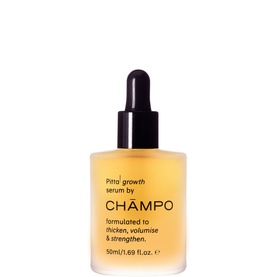
Beauty products from brands certified cruelty-free by a recognised third-party scheme. A cruelty-free certification confirms that a brand has committed never to conduct, commission, pay for, or allow tests on animals at any stage of development - for both ingredients and finished products.
CERTIFICATIONS
- • Leaping Bunny (Cruelty Free International)
- • PETA – Beauty Without Bunnies
Cruelty-free certification is awarded at brand level, reflecting the brand’s testing policy across its range.

Made in Ireland
Products made in Ireland support local jobs, skills and craftsmanship, and offer greater visibility over where and how a product is made. To qualify, a product is made in Ireland, or at least 50% of its materials are sourced in Ireland.
Pre-Loved
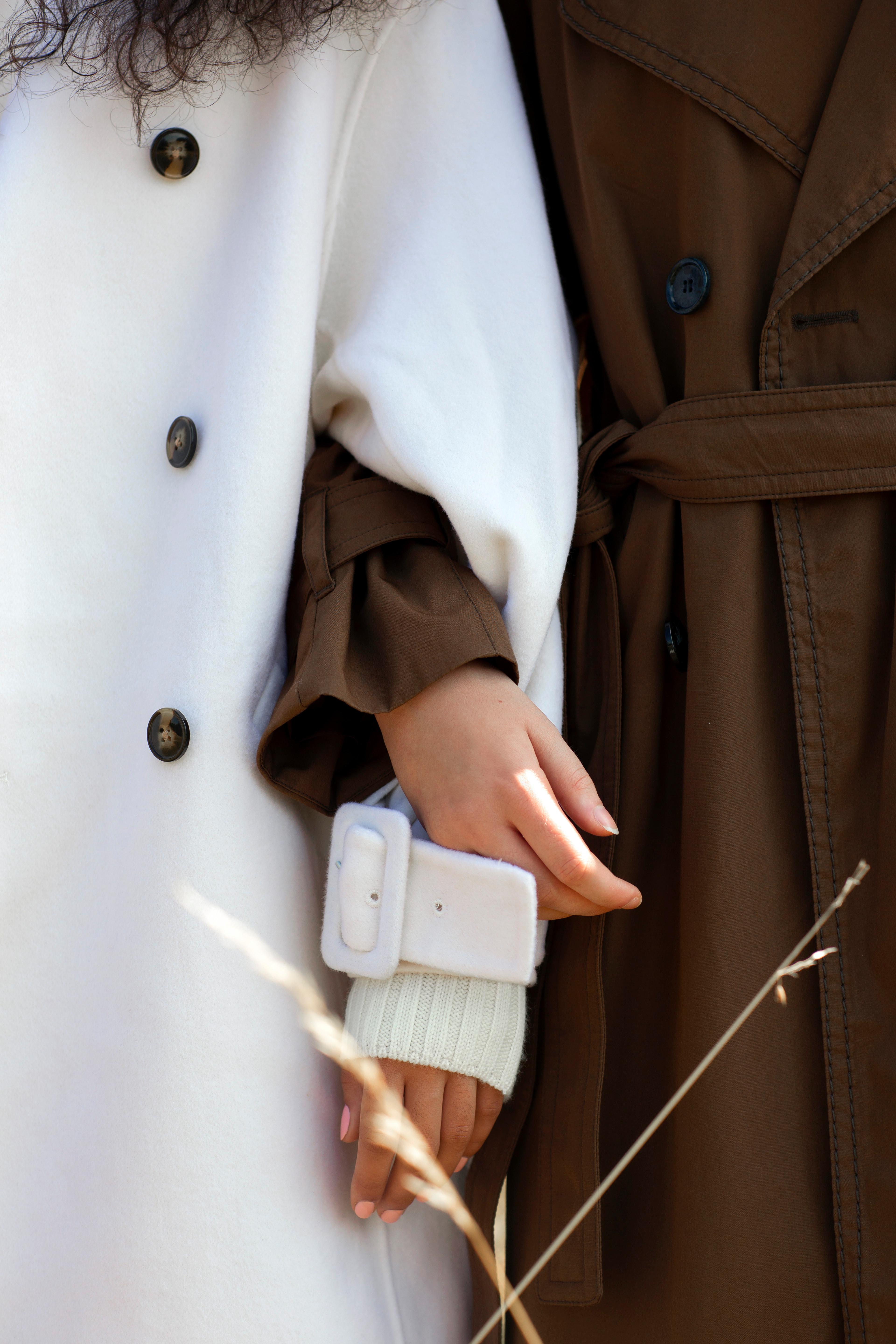
Pieces that have been previously owned and cared for, and given a new life. Choosing pre-loved extends a product’s life and reduces demand for newly manufactured items. Pre-loved pieces are available to shop, and to resell, through our Full Circle programme in selected stores.
Refill
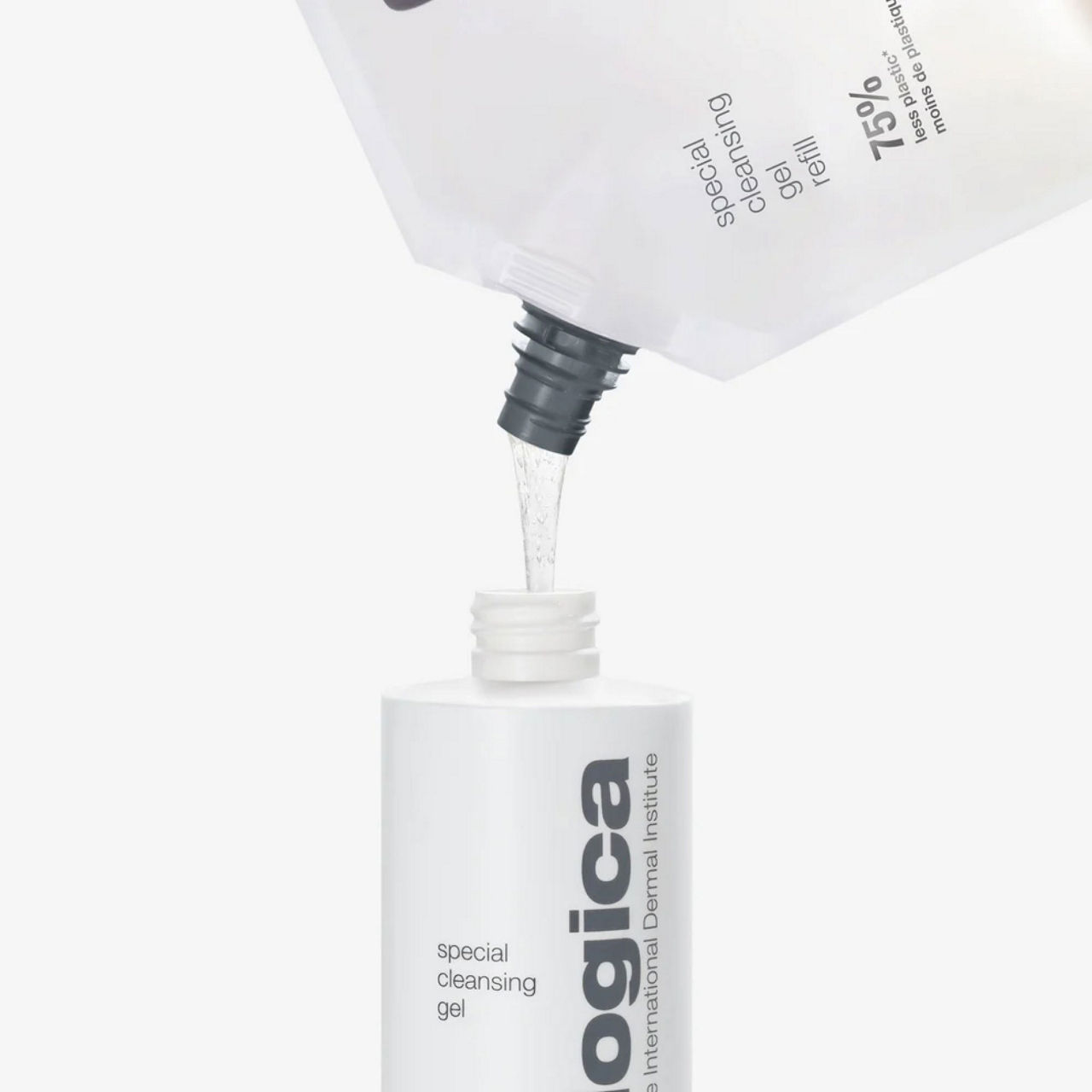
Products that are a refill, designed for use in an existing refillable container. Choosing a refill instead of a new full-size product reduces the amount of packaging waste generated per purchase.
The credentials above reflect those currently recognised under The Considered Edit and are reviewed periodically to align with recognised standards, legislation and industry best practice.